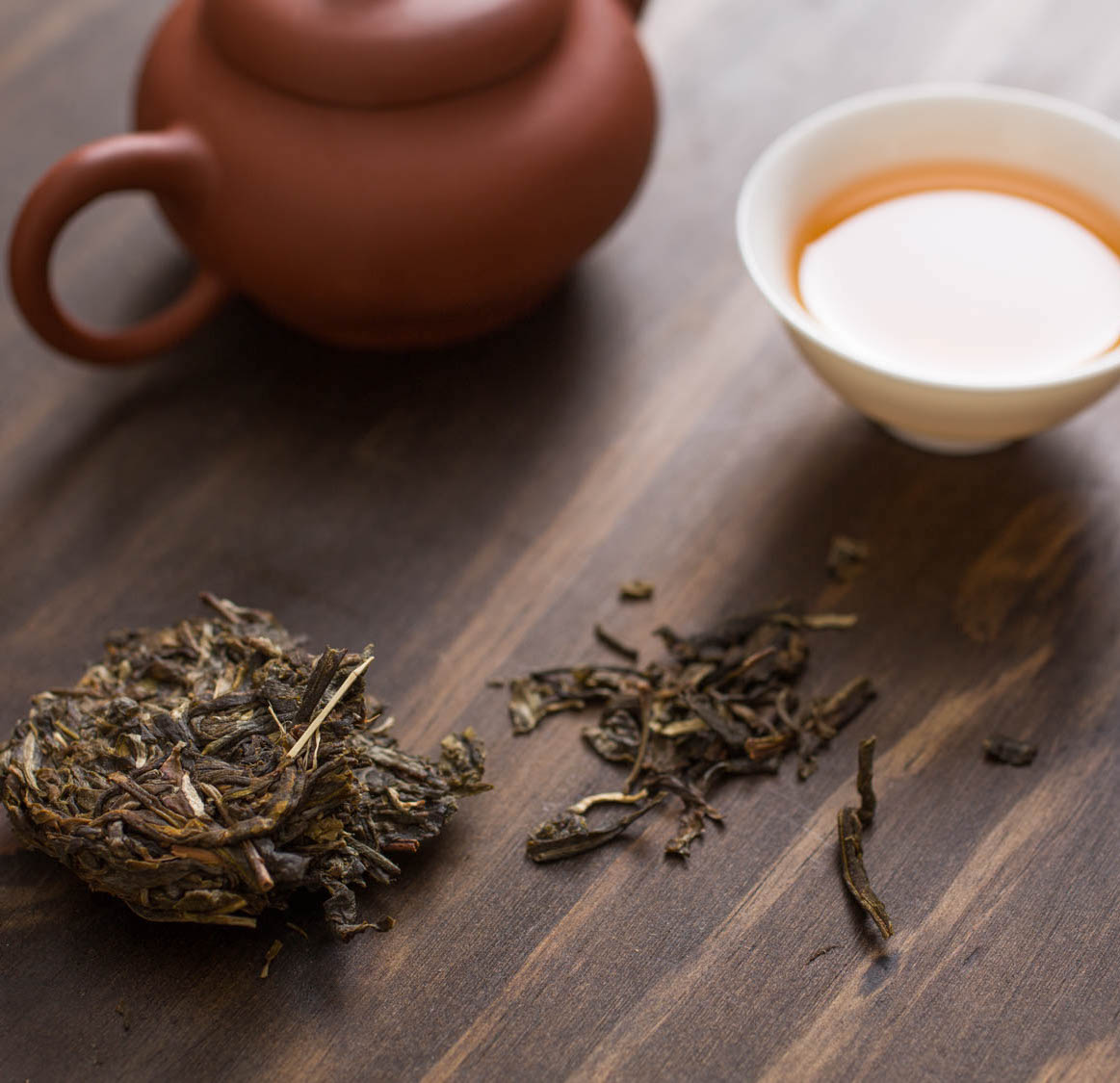
Pu’er is a variety of fermented tea produced in Yunnan province, China. Fermentation involves microbial fermentation and oxidation of the tea leaves, after they have been dried and rolled. This process is a Chinese specialty and produces dark, or black tea. The best known variety of this category of tea is pu’er from Yunnan Province.
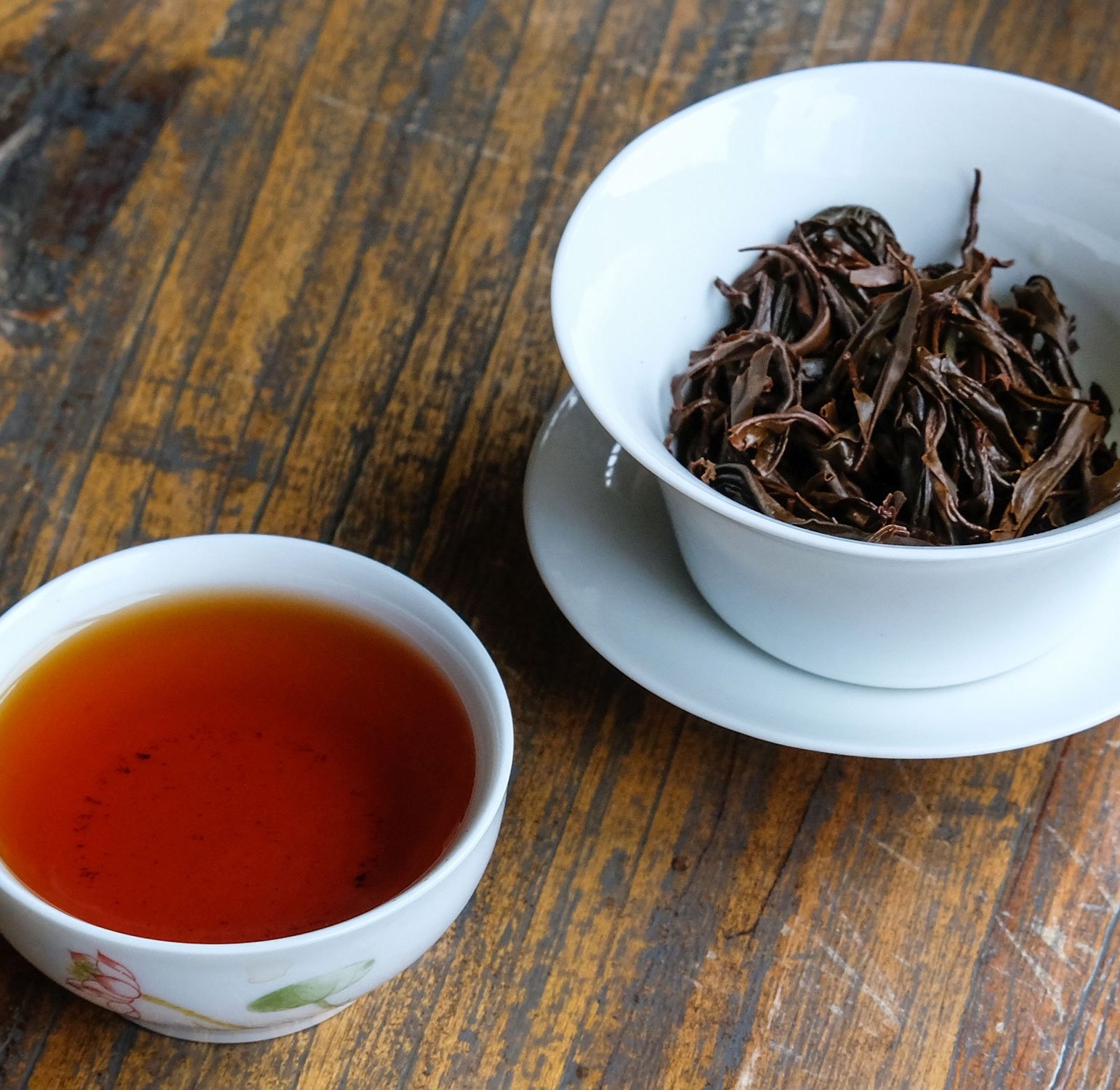
Black tea is a type of tea that is more oxidized than oolong, green and white teas. All four types are made from leaves of the shrub Camellia sinensis. Two principal varieties of the species are used for black tea.
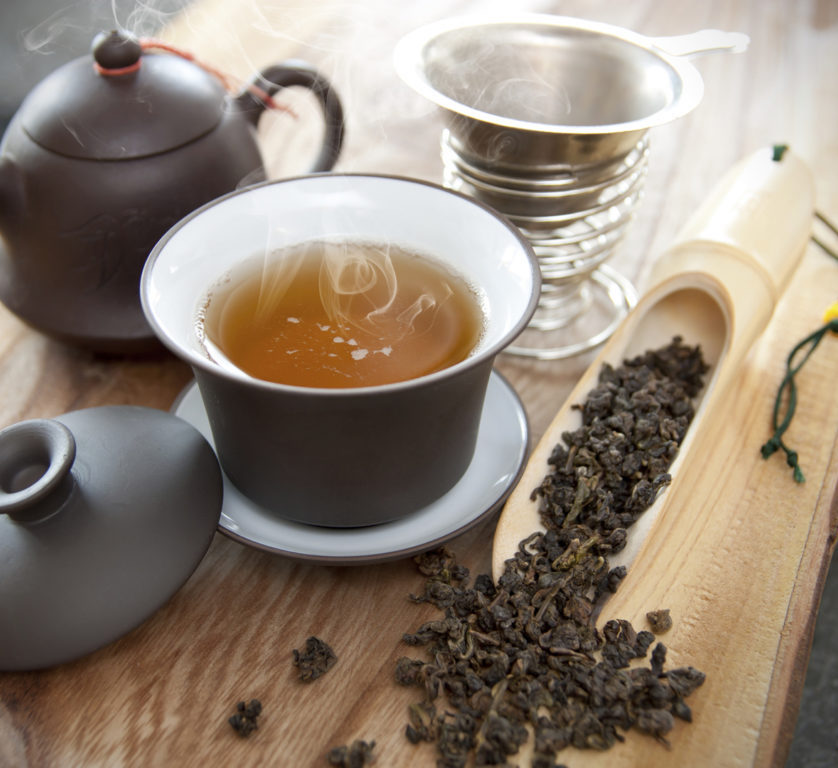
Oolong is produced through a process including withering the plant under strong sun and oxidation before curling and twisting. Most oolong teas involve unique tea plant cultivars that are exclusively used for particular varieties. Different styles of oolong tea can vary widely in flavor.
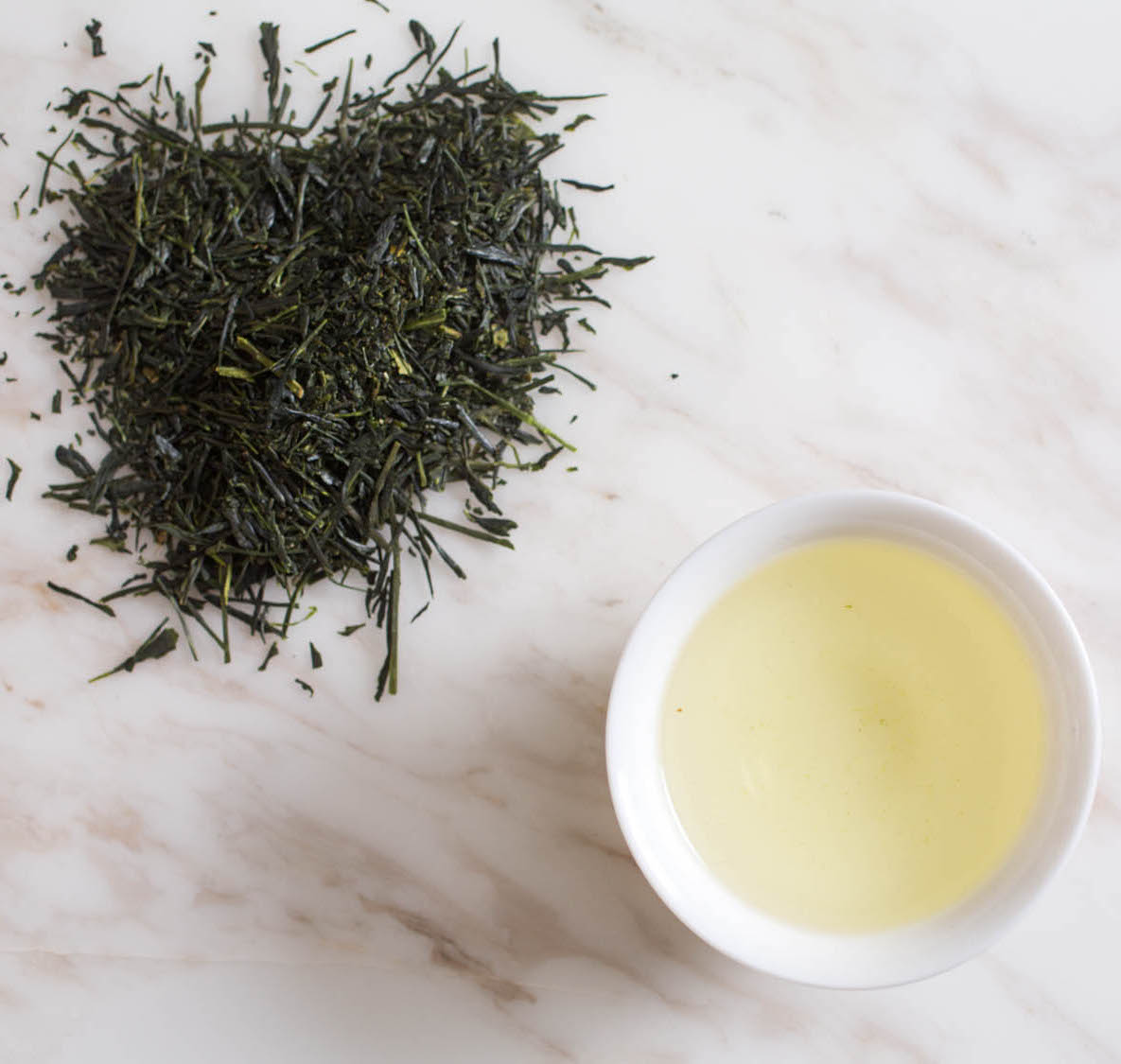
Loose leaf green tea has been the most popular form of tea in China since the Southern Song dynasty. While Chinese green tea was originally steamed, as it still is in Japan, after the early Ming dynasty it has typically been processed by being pan-fired in a dry wok.
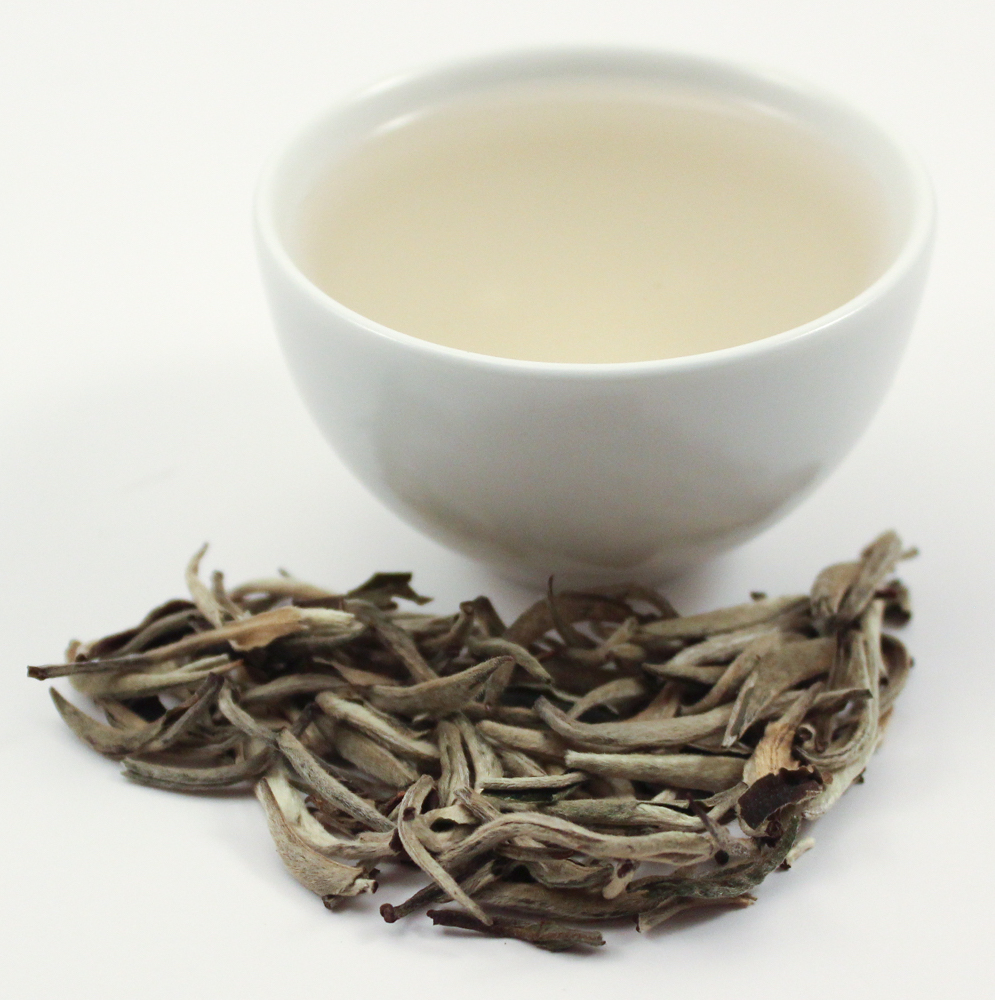
White Tea is one of China’s special treasures, made from the youngest and most tender hand-picked leaf tips and buds. These give a fresh and delicate flavour and a snowy/silver coloured brew from which White Tea gets its name. Because of the laborious and detail oriented process, it’s also one of the most expensive teas produced.
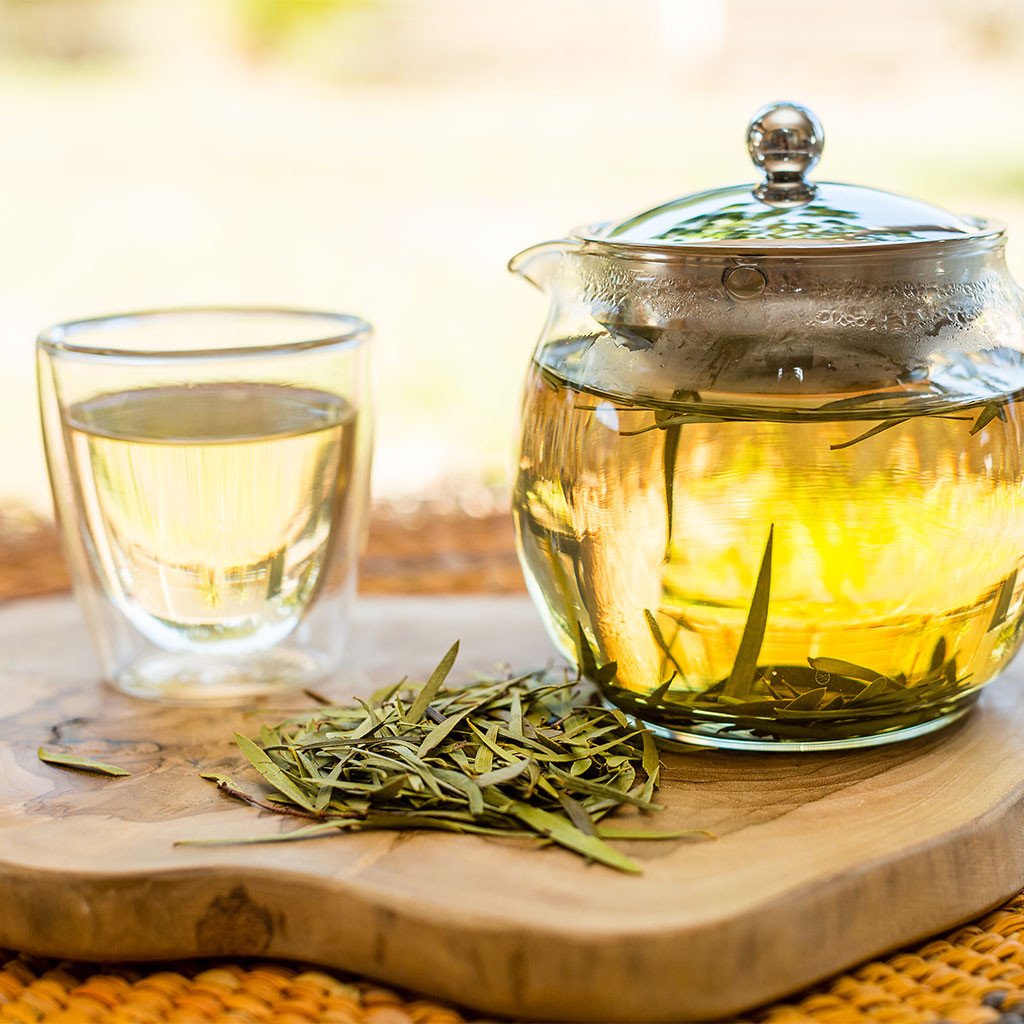
Yellow tea is an increasingly rare and expensive variety of tea. The process for making yellow tea is similar to that of green but with an added step of encasing and steaming the tea. This allows the tea to oxidize at a slower rate, producing a far more mellow taste than is found in most green teas. One of the primary aims of making yellow tea is to remove the characteristic grassy smell of green tea while preserving the associated health qualities of green tea.